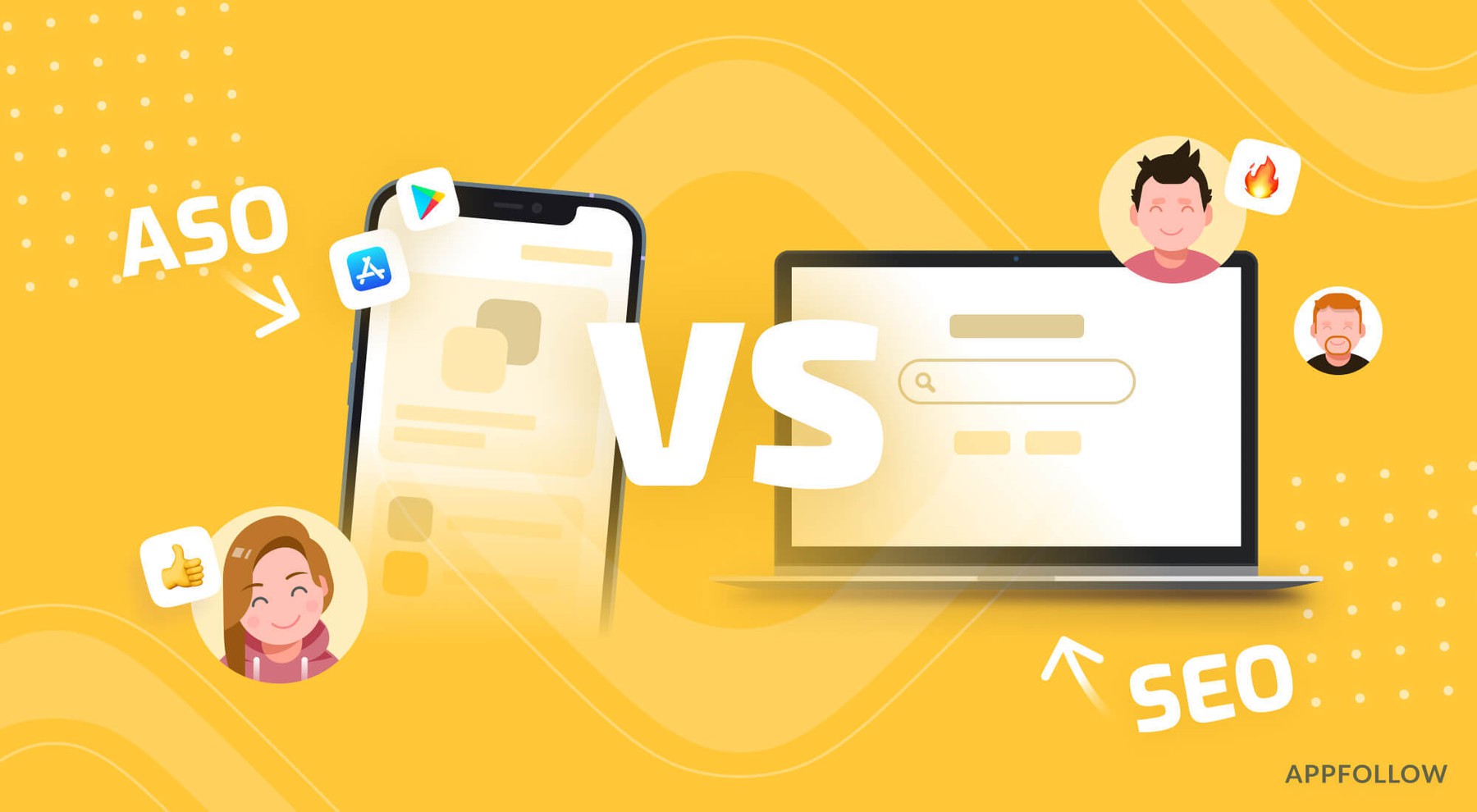

The SEO and ASO digital world is growing faster than ever, making your app’s visibility vital. Mobile app market revenue will exceed $613 billion by 2025. Nearly 4 million apps compete on Google Play and the App Store. Your app needs a smart strategy to stand out.
You might know about ASO vs SEO, and knowing their basic differences will determine your digital success. ASO works like SEO but focuses on app stores. Users find 63% of apps through searches. These two approaches target different platforms that use unique algorithms and ranking factors.
ASO and SEO differences extend beyond their platforms. SEO helps websites rank better in search engines and brings more organic traffic. ASO makes apps easier to find, converts better, and costs less to acquire users.
These strategies work together as powerful marketing tools. SEO and ASO create effective channels that help you find and keep users. This piece compares both approaches, gets into their benefits, and shows which one will bring more traffic based on your 2025 goals.
Understanding ASO and SEO in 2025
Digital marketers need to choose between two optimization strategies as 2025 gets closer. Here’s what each strategy really means.
Definition of ASO: App Store Optimization Explained
App Store Optimization (ASO) makes apps more visible in app stores. This strategy helps increase organic app discovery and conversion rates in places like Apple’s App Store and Google Play Store. ASO works best when you use optimized keywords, metadata, engaging visuals, and localized content for your target markets.
ASO targets mobile applications specifically. Research shows that 63% of apps are discovered through app store searches. This makes ASO crucial for developers. The process has two main parts: keyword optimization and conversion rate optimization. Keywords help users find your app, and conversion optimization gets them to download it.
ASO works differently from website optimization. App stores are closed systems. Each store uses its own algorithm with specific ranking factors to show apps in search results.
Definition of SEO: Search Engine Optimization Overview
Search Engine Optimization (SEO) makes websites rank better in search engine results pages. SEO helps search engines understand your content and users find your site through searches.
SEO needs several technical elements. These include on-page optimization, quality content, and authoritative backlinks. Google looks at many things to rank websites: what the search means, page relevance, content quality, site usability, user context, and domain authority.
SEO is different from ASO because it works across the entire web instead of closed app stores. Search engines also use hundreds of ranking factors, while app stores use fewer signals to rank apps.
Core Goals: Visibility, Traffic, and Conversion
ASO and SEO work in different places but share three main goals:
- Increased Visibility: Both strategies want your digital assets to appear first in searches. ASO focuses on app store search results, category rankings, and featured sections. SEO aims for top spots in search engine results for specific keywords.
- Organic Traffic: ASO brings in app installs without paid ads, which saves money. SEO does the same for website visitors through organic search results. Both bring in quality users who actively look for solutions you offer.
- Conversion Optimization: These strategies do more than just increase visibility. ASO makes app store pages better with great screenshots, icons, and descriptions to get more downloads. SEO creates landing pages that turn visitors into leads or customers.
Their success metrics are different. ASO looks at download numbers, ratings, and user engagement. SEO effectiveness comes from website rankings, organic traffic, and how many visitors convert.
ASO usually shows results faster than SEO. App stores often give new apps better rankings to keep things fresh. Search engines need websites to prove themselves before ranking them above older, established sites.
Ranking Factors: What Impacts Visibility Most
Success in the digital world of 2025 depends on knowing what really works for ASO and SEO. The algorithms that control visibility look at different things that can make your performance soar or sink.
ASO Ranking Signals: Downloads, Ratings, and Metadata
Downloads are the life-blood of app store rankings. Apps that see rapid download spikes show algorithms they’re “trending,” which boosts their visibility dramatically. This surge in downloads tells app stores your product deserves more attention.
Your app’s metadata creates the foundation for ASO success. The App Store algorithm looks at your title, subtitle, and keyword field to figure out search relevance. The app title matters most – putting smart keywords next to your brand name can boost your visibility by a lot.
Ratings and reviews send strong trust signals to users and algorithms alike. Apps that keep at least 4.5 stars tend to climb up search rankings. 92% of featured apps on the App Store have ratings of 4 or higher. Google Play won’t even show apps with less than 3.0 stars in Top Charts.
App retention numbers tell algorithms an important story. High retention rates show lasting value, which app stores love to promote. So apps that keep users coming back get better spots in search results and featured sections.
SEO Ranking Signals: Backlinks, Content, and UX
Backlinks still rule SEO rankings. These incoming links work like votes of confidence from other websites. Quality beats quantity – links from trusted sites in your field send stronger signals than lots of low-quality ones.
Content quality has grown beyond just keywords. Google in 2025 rewards original insights, helpful information, and real experiences. The search engine even uses an “OriginalContentScore” to judge content. Content that solves specific user problems works better than text stuffed with keywords.
User experience affects search rankings through clear signals. Page speed, mobile-friendliness, and Core Web Vitals directly influence rankings. Bounce rate, time on site, and pages visited have become vital ranking factors. Google rewards sites that work well, especially on mobile devices.
Technical SEO elements help search engines understand your site better. Clean code, structured data, and well-laid-out sitemaps are the foundations for everything else to work properly.
Platform-Specific Algorithms: App Stores vs Search Engines
Apple App Store and Google Play Store rank apps differently. Apple’s algorithm doesn’t look for keywords in app descriptions but relies heavily on the hidden keyword field (limited to 100 characters). Google Play’s algorithm uses machine learning to analyze keyword density throughout descriptions.
Google’s search algorithm looks at over 200 different ranking factors. App store algorithms use fewer signals. This explains why SEO needs more work to optimize effectively.
Backlinks work differently on each platform. They’re vital for Google Search rankings. They also affect Google Play rankings but barely touch App Store positions. This difference shows why you need specific strategies for each platform.
AI and machine learning shape both worlds now. App stores use smart algorithms to match users with the right apps. Google uses AI, machine learning, and natural language processing to check content quality and relevance.
Keyword Strategy: ASO vs SEO Approaches
Keywords are the foundations of ASO and SEO success, but their implementation is completely different between these optimization approaches. The right words and phrases that connect with your audience need platform-specific tactics to boost visibility.
Keyword Placement: App Title vs Meta Tags
ASO’s app title has the strongest weight for keyword indexation. This valuable space needs careful optimization. Statistics show that 41% of iOS apps and 47% of Google Play apps in the top 100 free apps include generic keywords with their brand names. The reason is simple – keywords in app titles boost search visibility significantly.
Character limits shape ASO keyword strategy in a big way. Apple’s App Store gives you 30 characters for titles plus a 30-character subtitle, while Google Play lets you use 50 characters. iOS apps should put their most important single keywords in the title and use the subtitle to build on those terms. The algorithm combines keywords from both areas.
SEO keyword placement works by different rules. Strategic spots include:
- Title tags (these show up as clickable links in search results)
- Meta descriptions (these help click-through rates)
- Header tags (H1, H2, H3)
- First 100 words of content
- Image alt text
- URLs
- Anchor text
Websites give you more room to work with keywords than app stores do. Location still matters though – Google gives extra weight to keywords that appear early in title tags and headings.
Search Intent: Short Queries vs Long-Tail Keywords
People searching app stores usually use shorter terms than web searches. Traditional ASO targets popular short keywords like “fitness,” “budget,” or “to-do list”. These terms look great because of high search volume but face tough competition.
Long-tail keywords work well for both ASO and SEO but serve different goals. In ASO, specific phrases (like “budget app for college students” instead of just “budget app”) help smaller apps compete with category leaders. Users who search specific phrases know what they want – this leads to better conversion rates and user retention.
SEO gets better results from long-tail keywords than short terms for conversion. These keywords match user intent better and let you create content that answers exactly what users want. Voice search makes long-tail optimization even more crucial for both strategies since people ask complete questions through voice assistants.
Tools for Research: AppTweak vs Ahrefs
You need specialized tools for ASO and SEO keyword research. AppTweak leads the pack as an ASO platform with 12 keyword research tools built specifically for app store optimization. The platform includes:
- Keyword Volume analysis (shows search popularity)
- Relevancy Score (checks if keywords match user intent)
- Optimize Metadata feature (shows potential traffic gains)
- Competitor keyword tracking
AppTweak looks only at app store data, unlike general SEO tools. The platform costs $58 monthly with yearly billing.
Ahrefs focuses mainly on SEO and provides detailed website keyword analysis.Unlike AppTweak’s app-focused approach, Ahrefs helps you find:
- Organic search volume
- Keyword difficulty
- Ranking potential
- Competitor keyword strategies
The main difference lies in their focus – ASO tools analyze app store patterns while SEO tools look at web search behavior. Some features overlap, but dedicated tools for each area get better results.
A good keyword strategy needs constant updates. You should check your keywords often, swap out ones that don’t work, and adapt to new trends – whether you’re working on app stores or search engines.
Performance Metrics: Measuring Success Differently
ASO and SEO need different benchmarks to measure success in digital marketing. App store visibility metrics rarely match the ones that show website success. These differences help you track progress and make analytical decisions.
ASO KPIs: Installs, Retention, and Ratings
Success in App Store Optimization depends on user acquisition and engagement metrics. Your download count is the clearest sign of success, which signals momentum to store algorithms. But downloads alone don’t tell the whole story.
Retention metrics show a better picture of how well ASO works. Monthly Active Users (MAU) and Daily Active Users (DAU) show your app’s value beyond the first download. These numbers reveal if you’re attracting the right users, not just any users.
User feedback works as both a ranking factor and drives conversions. Apps with 4+ stars climb search rankings faster, making your average rating score crucial. Recent ratings carry more weight in store algorithms than older ones.
These ASO metrics are also worth tracking:
- Conversion rate (percentage of store listing visitors who download)
- Keyword visibility (your ranking position for target terms)
- Category ranking (your position within your app category)
SEO KPIs: Organic Traffic, Bounce Rate, and CTR
SEO success starts with organic traffic – users who find your site through unpaid search results. This number shows how many people see and click your search listings.
Click-through rate (CTR) reveals how appealing your search listing is. This percentage shows how many users click your site after seeing it in results. A high CTR means your title and meta description match what users want.
User engagement metrics play a vital role. Bounce rate shows content relevance by measuring visitors who leave after viewing one page without interaction. Google Analytics 4 calls it an “engaged session” when users stay longer than 10 seconds, trigger a key event, or view two or more pages.
Key SEO metrics also include:
- Average engagement time (how long users actively interact with your site)
- Pages per session (average number of pages viewed per visit)
- Page load time (should be under 5 seconds to keep users)
Conversion Optimization: App Page vs Landing Page
App stores and websites handle conversions differently. ASO counts a conversion when someone downloads your app. Apple and Google Play use different methods – App Store looks at app units over unique impressions, while Google Play measures store listing visitors against acquisitions.
SEO conversions mean completing specific actions like form submissions, sign-ups, or purchases. This creates more complex conversion paths compared to simple app downloads.
Each platform needs its own approach. App store pages limit your options – you work within set rules for icons, screenshots, and descriptions. Website landing pages give you more freedom to test layouts, copy, and call-to-action placement.
Note that both methods serve business goals – ASO through app monetization (measured by Average Revenue Per User and Lifetime Value) and SEO through website metrics that affect your profits.
Toolkits for Optimization: What to Use in 2025
Your digital marketing results depend heavily on picking the right optimization tools. The 2025 toolkit landscape presents specific solutions that address visibility challenges for both apps and websites.
Top ASO Tools: AppTweak, MobileAction, AppFollow
AppTweak has emerged as the leading ASO platform that global brands like Amazon, Uber, and King trust. The platform features 12+ AI-powered keyword suggestion tools and a reliable keyword database that spans 100+ countries. Users can track competitor keyword changes and app store A/B tests with ease. The platform’s library contains app visuals from top competitors to help with creative optimization.
MobileAction gives users an all-in-one ASO solution that promotes environmentally responsible growth. The platform’s ASO intelligence tools combine keyword optimization with predictive metadata analysis. Users can watch market leaders, fine-tune their strategies, and monitor their app’s performance.
AppFollow focuses on review management and organic user acquisition. Teams have cut down time on repetitive tasks by 24% thanks to its AI-powered automation. The tool shines in keyword analysis, visibility monitoring, and semantic review analysis. Users see an average 11% improvement in conversion rates.
Top SEO Tools: SEMrush, Ahrefs, Google Search Console
SEMrush combines advanced keyword research with complete site audits and up-to-the-minute rank tracking. Small businesses and agencies benefit from its content marketing toolkit and backlink analytics. The Pro version costs around $140 per month.
Ahrefs stands out for its accurate backlink data and organic traffic insights. SEO professionals often rate Ahrefs above its competitors for link data accuracy. The platform’s site explorer, keywords explorer, and content explorer deliver detailed competitive intelligence.
Google Search Console remains a crucial free tool that provides direct data from Google. Users get performance reports, index coverage reports, URL inspection tools, and security alerts. The platform’s indexing diagnostics and crawl reports show exactly how Google sees your site.
AI-Powered Features for Both ASO and SEO
AI turns raw data into applicable information for both optimization methods. The technology helps track app performance metrics – from download numbers to user retention rates in ASO. AI creates keyword clusters that reveal opportunities with less competition than seed keywords.
Machine learning has improved content quality and relevance analysis for SEO. The technology identifies keywords that bring qualified traffic based on search patterns and user intent.
Both fields use AI-powered sentiment analysis to sort user feedback by sentiment and find specific themes in reviews. This analysis helps teams understand user satisfaction and shape their product development strategies.
Which Drives More Traffic in 2025?
The competition between app stores and web search for digital traffic dominance is heating up as we approach 2025. Let’s get into the data to determine which channel brings more users.
Traffic Sources: App Store vs Web Search
App stores continue to dominate app discovery. Users initiate 65% of all downloads through search on the App Store. The platform’s homepage attracts half a billion weekly visitors. These numbers show why ASO continues to affect both app performance and how well user acquisition channels work.
Web stores have become significant tools for user acquisition. E-commerce apps saw a 17% growth in installs during 2024, thanks to smooth web-to-app transitions. This change highlights how search engines now feed the app ecosystem more than ever.
Regulatory pressures, especially in the EU, have pushed the growth of third-party app stores and web-based storefronts. All the same, the App Store and Google Play stay on top with their easy-to-use interfaces and superior user experiences.
Cross-Channel Impact: SEO Supporting ASO and Vice Versa
SEO and ASO have moved from competition to collaboration. They now work together as complementary channels that build a substantial user acquisition funnel in 2025. The best path often starts with SEO-driven blog content that guides users straight to app installs.
Apple users follow a specific pattern: They Google the brand, search in App Store, recognize it, and download. This shows how SEO helps fill the ASO funnel.
On top of that, external backlinks to your app help boost Google Play visibility. High app ratings also improve overall brand credibility and positively affect SEO performance.
Case Studies and Industry Trends
Real-life results show how combined approaches work best. Apps that use web-to-app strategies with deep linking and QR codes saw an impressive 77% year-over-year increase in conversions.
Future mobile app strategies must use both channels effectively. ASO remains important since both the App Store and Google Play promote apps that provide real user value. Apps that users open regularly rank higher, making engagement metrics more crucial for rankings.
The mobile world in 2025 brings huge opportunities but also bigger challenges. Companies face tougher competition, more complex algorithms, and higher user expectations.
Comparison Table
| Aspect | ASO (App Store Optimization) | SEO (Search Engine Optimization) |
| Primary Purpose | Boosts app visibility in app stores | Improves website visibility in search engines |
| Discovery Rate | 63% of apps found through store searches | Not specified in this piece |
| Main Platforms | Apple App Store, Google Play Store | Google and other search engines |
| Key Ranking Factors | – Download volume and velocity– Ratings (4.5+ stars preferred)– App retention metrics– Metadata optimization | – Quality backlinks– Content quality– User experience– Technical elements |
| Keyword Limitations | – iOS: 30 chars (title) + 30 chars (subtitle)– Google Play: 50 chars (title) | No strict character limits |
| Popular Tools | – AppTweak ($58/month)– MobileAction– AppFollow | – SEMrush ($140/month)– Ahrefs– Google Search Console |
| Success Metrics | – Install numbers– Monthly/Daily Active Users– App store ratings– Category ranking | – Organic traffic– Click-through rate– Bounce rate– Pages per session |
| Conversion Focus | App downloads | Multiple actions (forms, purchases, signups) |
| Results Timeline | Faster results for newer apps | Takes more time to establish rankings |
| AI Integration | – Performance metrics analysis– Keyword clustering– Sentiment analysis | – Content quality assessment– User intent analysis– Search pattern analysis |
Conclusion
ASO and SEO are not rivals but powerful allies in the 2025 digital marketing toolkit. Our analysis shows ASO targets app visibility in closed marketplaces, while SEO reaches across the entire web ecosystem.
New applications see faster results with App Store Optimization. App stores provide quick visibility gains when you target the right keywords, design appealing visuals, and collect positive ratings. Search Engine Optimization builds lasting authority through quality content, backlinks, and technical excellence.
Data shows combining both approaches works best. Users often find brands through web searches before downloading apps. This explains why 65% of App Store downloads start with a search, and web-to-app strategies have improved conversions by 77% year-over-year.
Your 2025 optimization strategy should embrace both channels. ASO helps users find your app directly, while SEO plays a vital role in building brand awareness and generating interest. Each platform has unique priorities – app stores value downloads, retention, and ratings, while search engines focus on content quality, user experience, and backlinks.
Success comes from turning these differences into opportunities. Platform-specific tactics with consistent brand messaging create multiple ways for users to find your digital products. The goal remains simple – connect with users who need your solutions, whether through app stores or search engines.
Traffic source comparisons miss the bigger picture. ASO and SEO shine in their own spaces. Your business goals, audience, and resources should guide your focus. Many companies find a complete strategy that combines both approaches catches users wherever they search.
The future points to even more overlap between these channels as apps and websites become connected. Smart marketers will treat ASO and SEO as parts of one digital presence rather than competing initiatives.
Key Takeaways
Understanding the strategic differences between ASO and SEO helps you maximize digital visibility across both app stores and search engines in 2025.
- ASO delivers faster results for apps: 63% of apps are discovered through store searches, with newer apps often ranking higher quickly compared to SEO’s longer-term approach.
- SEO casts a wider net across the web: While ASO operates within closed app marketplaces, SEO builds authority across the entire internet through quality content and backlinks.
- Integration beats competition: Web-to-app strategies combining both approaches achieved 77% year-over-year conversion increases, proving these channels work better together.
- Platform-specific optimization is crucial: App stores prioritize downloads and ratings while search engines value content quality and user experience – each requires tailored strategies.
- Success metrics differ significantly: ASO focuses on installs, retention, and app ratings, while SEO measures organic traffic, bounce rates, and click-through rates.
The most successful digital marketing strategies in 2025 treat ASO and SEO as complementary channels rather than competing alternatives, creating multiple discovery pathways for users to find your brand.
FAQs
Q1. What are the main differences between ASO and SEO? ASO focuses on optimizing apps for visibility in app stores, while SEO aims to improve website rankings in search engines. ASO typically yields faster results, especially for new apps, whereas SEO builds long-term authority across the web.
Q2. Which drives more traffic: ASO or SEO? Both ASO and SEO can drive significant traffic, but in different ways. ASO is crucial for app discovery, with 65% of App Store downloads starting with a search. However, SEO plays a vital role in building brand awareness and often initiates the user journey that leads to app downloads.
Q3. What are the key ranking factors for ASO in 2025? Important ASO ranking factors include download volume and velocity, app ratings (preferably 4.5+ stars), user retention metrics, and optimized metadata such as app title and description.
Q4. How do keyword strategies differ between ASO and SEO? ASO keyword strategies focus on short, high-volume terms within strict character limits (30-50 characters for app titles). SEO allows for more flexibility, often targeting longer-tail keywords and placing them strategically throughout website content.
Q5. What tools are recommended for ASO and SEO in 2025? For ASO, popular tools include AppTweak, MobileAction, and AppFollow. SEO professionals often rely on SEMrush, Ahrefs, and Google Search Console. Both fields are increasingly leveraging AI-powered features for more effective optimization.