
Deciding how to split your digital marketing budget between SEO and PPC in 2025 can be challenging. Most CMOs – about 59% – don’t have enough budget to execute their strategy in 2025. This shortage makes picking the right marketing channels crucial.
The data paints a clear picture. SEO generates five times more return on ad spend than other channels and costs much less. Companies can expect at least 500% ROI within 6-12 months. Paid media claims the largest share of marketing budgets at 31%. PPC gives you quick results that SEO cannot match. Most brands start by allocating 70/30 or 60/40 toward PPC, then adjust as their organic traffic grows. Smart budget allocation balances the need for quick visibility against long-term cost savings.
Your business goals and timeline should determine your strategy. SEO costs less over time but requires significant initial effort. PPC spending links directly to your sales pipeline, which appeals to teams focused on performance metrics. We’ll explore the actual costs, advantages, and best scenarios for both approaches to help you make budget-smart decisions in 2025.
Understanding the Core Difference Between SEO and PPC
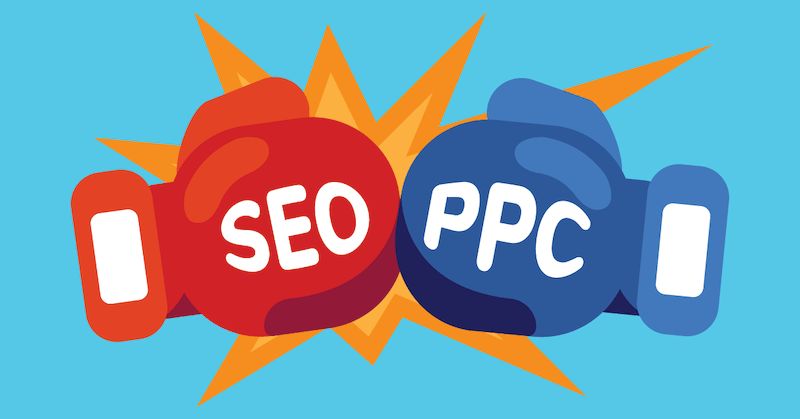
Let’s understand what you’re choosing between when making budget decisions. SEO vs PPC represents two different ways to show up in search results.
What is SEO: Long-term organic growth explained
Search engine optimization (SEO) helps your website show up higher in unpaid search results. Your business can appear in search results without paying for each visitor when people look for information about your products or services.
SEO works by lining up your website with what search engines value. Your website needs:
- Content that’s relevant and high-quality
- A well-organized site structure and technical setup
- Backlinks from other websites to build authority
The organic search method earns visibility instead of buying it. Your pages show up based on how well they match what users search for. Search engines look at your content’s value too. Organic search gets more than 53% of website traffic across industries. This makes it a vital channel to stimulate growth.
What is PPC: Paid visibility and instant traffic
Pay-Per-Click (PPC) advertising lets you pay only when someone clicks your ads. You buy visits to your site instead of earning traffic over time.
PPC campaigns give you:
- Ads at the top of search results pages
- Cost only when users visit your website
- Results right after launch
PPC has precise targeting options. You can show ads based on keywords, location, time, device type and user behavior. You can reach potential customers at the perfect moment with these options.
Speed is PPC’s biggest advantage. SEO takes months to show results. PPC campaigns start working within hours or days. Your site gets immediate exposure and visitors.
SEO vs Paid Search: Key differences in approach
These strategies differ in four main ways:
Timeline: SEO needs time to build momentum as a long-term investment. You’ll see results after 3-6 months of steady work. PPC gives you instant visibility once your campaign starts.
Cost Structure: Organic search brings free visits. You spend money on content creation and site optimization. PPC charges for each click. Costs change based on keyword competition.
Longevity: SEO results grow stronger over time. High rankings keep bringing traffic without extra cost. PPC traffic stops when you stop spending.
Trust Factor: People trust organic results more than paid ads. The top organic result gets 39.8% clicks while the first paid ad gets 2.1%.
These differences affect business results. SEO can give you 500%+ ROI in 6-12 months. PPC averages 200% ROI but shows results faster.
Both methods work well in a detailed digital strategy. Most businesses need to balance both based on their goals, timelines and budgets rather than picking just one.
Cost Breakdown: Upfront vs Ongoing Investment
The financial investment between SEO and PPC is dramatically different in timing, structure, and how it affects your marketing budget long-term. Here’s a detailed look at the dollars and cents of these two strategies.
SEO budget: Content, tools, and technical optimization
SEO requires higher upfront investment but costs decrease over time. Your SEO budget typically includes these core categories:
- Technical SEO: A one-time audit costs $500-$2,500, plus developer work at $50-$150 per hour for implementation. You need solid technical foundations before content can truly succeed.
- Content Creation: This takes up much of your SEO budget (40-50%). Quality content from freelancers costs $100-$500 per piece, while ongoing content updates run $500-$2,000 monthly.
- Link Building: Monthly backlink acquisition through agencies costs $500-$5,000. This is vital for building domain authority.
- SEO Tools: Professional tools like Ahrefs, SEMrush, or Moz Pro start at $49 monthly, with total tool costs ranging $100-$500 monthly.
From a budget point of view, a $50,000 annual SEO investment typically breaks down as: Technical SEO (10-15%), Content Creation (40-50%), Link Building (20-25%), Tools (10-15%), and Reporting/Analytics (5-10%).
PPC budget management: CPC, ad spend, and platform fees
PPC costs hit immediately and continue throughout your campaigns. Your PPC budget covers:
Ad Spend: Industry variations are significant. The average cost-per-click runs $2.00-$5.00 in most industries, though legal or insurance clicks can cost $50+. Platform standards from 2025 show average CPCs: Google Ads ($1.81), Microsoft Advertising ($1.29), Meta Ads ($0.39), and LinkedIn Ads ($3.18).
Management Fees: PPC managers charge $1,500-$10,000 monthly flat fees, or 10-20% of ad spend. Most businesses invest $9,000-$10,000 monthly in combined ad spend and management.
Platform-Specific Costs: Each platform has its median monthly spend: Google Ads ($1,024.79), Microsoft Ads ($353.76), Meta Ads ($784.33), and LinkedIn Ads ($734.53).
Note that your budget must cover both click acquisition and visitor conversion, making landing page optimization an essential cost component.
Scalability: How costs evolve over time
SEO and PPC show their biggest differences over time:
SEO costs decrease proportionally as your site’s authority grows. Well-ranking content continues driving traffic without extra cost. SEO campaigns show ROI between 500-1,300% after 12+ months, typically breaking even around 6 months.
PPC costs stay steady or increase with success. More clicks mean higher payments, creating a direct relationship between traffic and cost. ROI averages 200% but stops when spending ends.
This creates a scenario where SEO becomes more financially efficient long-term despite higher startup costs. Data shows organic traffic achieves a 2.4% conversion rate, nearly doubling PPC’s 1.3%.
Customer acquisition costs typically drop with SEO over time, while PPC costs remain stable or rise with competition.
ROI Comparison: Which Delivers More Value in 2025?
SEO and PPC comparison boils down to return on investment. The numbers paint a clear picture about which channel provides better financial value in 2025.
SEO ROI: 500%+ over 6-12 months
SEO provides a minimum ROI of 500% over a 6-12 month period. This investment grows steadily and shows peak results during the second or third year of dedicated work. Companies often question if the wait pays off – but the numbers speak volumes.
Different industries show varying returns:
- Real estate tops with an incredible 1,389% ROI
- Financial services achieve 1,031%
- B2B SaaS companies reach 702%
- Legal services attain 526%
These impressive numbers stem from two factors. SEO generates a 14.6% conversion rate from organic leads compared to just 1.7% from traditional methods. The compound growth effect means well-ranked content keeps bringing traffic without extra costs per visitor.
Each SEO strategy yields different results. Keyword research and quality content that targets buying intent give the highest ROI at 748%. Technical SEO produces a modest 117% return.
PPC ROI: 200% average with faster results
PPC ads yield an average ROI of 200%. Companies earn about $2 for every $1 spent on Google Ads. Though lower than SEO returns, PPC delivers quick visibility and results.
Speed and precision give PPC its edge. Traffic starts flowing right after campaign launch and converts up to 50% better than organic traffic. Quick promotions and product launches benefit from this immediacy in ways pure ROI calculations can’t capture.
PPC ROI standards by industry in 2025:
- Ecommerce: 200-400%
- B2B SaaS: 150-300%
- Lead generation: 200-500%
- Service businesses: 300-600%
Most marketers target a 4:1 ratio (400%) as their sweet spot. PPC’s real value shines through its quick returns compared to SEO’s longer timeline.
Lifetime value and customer acquisition cost
Customer lifetime value (LTV) versus customer acquisition cost (CAC) reveals the true financial picture.
SEO attracts customers with higher LTV. Organic traffic builds trust gradually and these customers stay loyal longer and spend more. As content ranks better, SEO’s customer acquisition costs keep dropping.
PPC excels at drawing in ready buyers with strong purchase intent. The trade-off shows in higher acquisition costs that stay fixed while campaigns run. Once ad spending stops, the traffic vanishes too.
Financial experts recommend an LTV:CAC ratio of at least 3:1 for healthy business growth. Lower ratios mean excessive customer acquisition spending. Much higher ratios like 24:1 might suggest missed growth opportunities.
Smart businesses use both channels together. They utilize PPC’s quick returns while building SEO’s long-term value, which helps reduce overall acquisition costs.
Time to Results: Patience vs Speed
The timeline gap between SEO and PPC stands out as the biggest difference when planning your marketing strategy. Your choice could mean waiting months for results or seeing traffic within hours.
SEO timeline: 3-6 months to traction
SEO moves at a slower pace. Most businesses see their first results within 3-6 months after making optimizations. Companies in medium-competitive industries should expect to wait 6-12 months to achieve their most important results. This waiting period exists for two main reasons:
Search engines must crawl, index, and assess your content’s quality. Research shows that Google’s top results usually come from pages at least two years old. The #1 spot often belongs to content around three years old.
Building authority takes consistent work. Technical optimizations, content creation, and backlink building all help rankings climb gradually. Marketing director Jenny Palmer explains: “Search engines take time to pick up SEO changes… we typically tell clients to wait 3-6 months after publishing new content or making changes before expecting results”.
PPC timeline: Immediate visibility and conversions
PPC delivers almost instant results. Your ads can show up at the top of search results within hours after campaign approval. This quick start lets you:
- Get website visits right after setup
- Collect performance data immediately
- Adjust campaigns based on immediate results
A short optimization period still exists. New campaigns typically go through a two-week learning phase as the algorithm collects data. After this original period, results get better steadily. Many accounts reach their peak performance around the 3-6 month mark.
Beth Chernes puts this contrast simply when talking to clients: “How soon do you want to reach new customers? If you said ‘yesterday,’ PPC ads will put you in front of them right now”.
When speed matters: Product launches and seasonal campaigns
Some business situations just need PPC’s speed:
New product launches thrive on immediate visibility. Companies launching new products can’t wait months for organic rankings to build. PPC showcases your offering to potential customers immediately.
Seasonal promotions work on exact timing. Holiday sales, Black Friday events, and limited-time offers succeed when your message appears exactly as shoppers search. One expert explains: “Nothing creates urgency like a limited-time offer, especially during holidays when consumers hunt for the best deals”.
Flash sales and time-sensitive events require quick results. PPC helps you “make the most of time-sensitive events like holidays, Black Friday, or other seasonal peaks” by boosting visibility during high-traffic periods.
Smart businesses often use both strategies together – PPC delivers quick wins while SEO builds long-term success. This combined approach improves both immediate visibility and lasting results.
When to Choose SEO, PPC, or Both
Picking the right search marketing strategy is not about winners and losers – it’s about finding tactics that match your business needs. SEO and PPC each have their own strengths, and your choice depends on what you want to achieve.
Goal-based strategy: Awareness vs conversion
Your marketing goals should point you in the right direction:
SEO delivers better results when you want to build brand awareness. Users tend to trust organic search results more than ads. Research shows SEO beats PPC in conversion rates across most industries.
PPC is your best bet for immediate conversions. When you need quick results and have the budget, paid search gives you instant visibility – perfect for time-sensitive campaigns. PPC works best for:
- Product launches that need quick attention
- Limited-time promotions and seasonal campaigns
- Flash sales that need quick traction
High-CPC industries: SEO as a cost-saving alternative
SEO becomes a financial savior in industries with expensive keywords. Legal PPC campaigns can cost hundreds of dollars per click, yet SEO converts at 4.3% compared to PPC’s 1.8%.
Companies in competitive fields like technology, finance, and healthcare often turn to SEO. This helps them rank high in organic search for competitive keywords without the ongoing PPC costs.
The numbers tell the story:
- B2C Ecommerce: SEO converts at 2.8x the rate of PPC
- Legal Services: SEO converts at 2.4x the rate of PPC
- B2B Ecommerce: SEO converts at 2.2x the rate of PPC
- Real Estate: SEO converts at 2.1x the rate of PPC
Omnichannel marketing: Using both for full-funnel coverage
Smart businesses don’t choose – they use both. Buyers rarely find you through just one channel. A combined approach usually works best.
A complete funnel strategy uses both channels:
- Top-of-funnel: SEO builds brand awareness and authority
- Mid-funnel: Both channels educate and nurture prospects
- Bottom-funnel: PPC captures high-intent purchase keywords
PPC handles time-sensitive events while SEO builds a lasting online presence. Your PPC campaigns also provide valuable data to improve SEO efforts. They show which keywords convert best, helping you create better organic content.
Using both channels to target key keywords means customers see your brand more often. This creates a powerful reinforcement effect that boosts your overall marketing success.
How to Budget for SEO and PPC Together
Smart budget splitting between SEO and PPC matters more than total spending. Most businesses achieve better results by funding both channels based on their growth stage and goals.
Sample budget splits: 70/30, 50/50, 30/70
Your business stage determines your ideal budget ratio:
- For new websites (70% PPC, 30% SEO): New businesses should invest more in PPC to get immediate visibility while building organic foundations. As one expert notes: “Start with a 60/40 or 70/30 split favoring PPC, then shift as organic efforts gain traction”.
- For 2-3 years old sites (50% PPC, 50% SEO): Mid-stage businesses need balanced paid campaigns with strong organic growth. “Financial split: 60% – 75% PPC, 25% – 40% SEO”.
- For 5+ years old sites (30% PPC, 70% SEO): Your SEO will generate consistent traffic, so you can adjust spending: “Financial split: 25% – 40% PPC, 60% – 75% SEO”.
This balanced strategy delivers stronger results than focusing on just one channel. “Use SEO services as part of your longer-term profile-raising strategy… then run highly targeted PPC campaigns for short periods linked to specific timelines or events”.
Forecasting tools and performance modeling
Prediction tools help plan budgets accurately:
Excel-based forecasting models factor uncertainty into your projections. These tools use “probability distributions as one in which a list of possible scenarios each has a distinct likelihood of occurrence”. The process follows five steps: building the model, defining uncertainty, inserting variables, iterating with data tables, and evaluating outputs.
Google Sheets or Vertex AI offer sophisticated modeling for complex forecasting. “Vertex AI takes your PPC forecasting capabilities to the next level with its ability to handle large datasets and complex models”.
Avoiding common budgeting mistakes
Budget allocation errors can waste significant resources:
Link building often gets mishandled. “Link building is also one of the most misbudgeted areas in SEO – either over-invested in without strategy, or ignored entirely”.
Cut wasteful spending before increasing your budget. “The tip of the day here is to get rid of waste prior to increasing your PPC ad budget”. You can start with this simple formula: “Budget = Target CPA × Desired Number of Conversions × Safety Margin”.
Your budget should stay flexible. “Budgets should adapt based on seasonality, campaign success, or business goals. Revisit your mix monthly or quarterly”. Monthly or quarterly adjustments will maximize returns from both channels.
Comparison Table
| Aspect | SEO | PPC |
| ROI | 500%+ over 6-12 months | 200% average |
| Time to Results | 3-6 months to see results | Hours to days |
| Setup Cost | $500-$2,500 (technical audit) | Campaign setup within hours |
| Monthly Costs | $1,100-$7,500 (tools, content, links) | $9,000-$10,000 (spend + management) |
| Cost Per Visit | $0 after ranking | $2-$5 average per click |
| Conversion Rate | 14.6% from organic traffic | 1.7% from paid traffic |
| Click-Through Rate | 39.8% (first position) | 2.1% (first position) |
| Traffic Source | 53% of website traffic | Varies by budget |
| Result Longevity | Benefits continue after investment stops | Stops when spending ends |
| Best Use Cases | Brand awareness, high-CPC industries | Product launches, seasonal campaigns |
| Industry-Specific ROI | Real Estate: 1,389% Financial: 1,031% B2B SaaS: 702% | Ecommerce: 200-400% B2B SaaS: 150-300% Services: 300-600% |
Conclusion
Your choice between SEO and PPC depends on your business needs and timeline in the digital world of 2025. Each strategy brings unique advantages to the table.
SEO proves to be the financial champion for long-term growth. Organic search delivers an ROI of over 500% within 6-12 months, with almost no cost per visit once you rank. Users trust organic results more, which shows in the click-through rates that are much higher than paid ads.
PPC shines when you need speed and precision. While it generates a lower ROI of 200%, paid search puts your business right in front of potential customers. This makes it a great way to get results for urgent campaigns, new product launches, or seasonal promotions when you can’t wait months for organic growth.
Most successful businesses don’t pick just one – they use both. A smart approach starts with more PPC investment (70/30 split) while building organic presence. You can then move toward SEO dominance (30/70 split) as your rankings improve. This creates a powerful marketing presence that drives immediate sales and builds lasting authority.
Your growth stage, market competition, and campaign objectives should guide your budget allocation. Legal services and finance companies often do better with SEO because of their high click costs. Companies that need quick results might spend more on PPC while they build their organic presence.
The numbers tell the story – SEO saves money over time while PPC delivers quick results. The real question isn’t which one works better, but how you can balance both to match your business needs, timeline, and budget in 2025.
Key Takeaways
Understanding the true cost-effectiveness of SEO versus PPC in 2025 requires looking beyond initial investment to long-term financial impact and strategic timing.
- SEO delivers 2.5x higher ROI long-term: With 500%+ returns over 6-12 months versus PPC’s 200% average, organic search proves more financially efficient despite slower initial results.
- PPC provides immediate visibility but ongoing costs: Paid search delivers traffic within hours and stops immediately when spending ends, making it ideal for time-sensitive campaigns but costly for sustained growth.
- Combined strategies outperform single-channel approaches: Most successful businesses use both, starting with 70/30 PPC-heavy splits for new sites, then shifting to 30/70 SEO-focused as organic rankings develop.
- High-CPC industries benefit most from SEO investment: Legal, finance, and healthcare businesses often see better conversion rates (up to 2.4x higher) from organic search compared to expensive paid clicks.
- Budget allocation should evolve with business maturity: New websites need immediate PPC visibility while established sites can leverage SEO’s compound growth effects for maximum cost savings.
The smartest approach isn’t choosing between SEO and PPC, but strategically balancing both based on your timeline, industry competition, and growth stage to maximize both immediate results and long-term financial efficiency.
FAQs
Q1. How do the costs of SEO and PPC compare in 2025? SEO typically requires a higher upfront investment but decreases over time, while PPC costs remain consistent or increase with success. SEO budgets cover content creation, technical optimization, and tools, whereas PPC involves ongoing ad spend and management fees.
Q2. Is SEO still a worthwhile investment in 2025? Yes, SEO remains valuable in 2025, delivering an ROI of 500%+ over 6-12 months. It continues to drive quality traffic and conversions, though success requires adapting to evolving search algorithms and user behaviors.
Q3. How long does it take to see results from SEO compared to PPC? SEO typically takes 3-6 months to show initial results, with significant improvements seen after 6-12 months. PPC, on the other hand, can deliver immediate visibility and traffic within hours or days of launching a campaign.
Q4. What are the conversion rates for SEO versus PPC? SEO generally outperforms PPC in terms of conversion rates. Organic search leads convert at about 14.6%, compared to 1.7% for paid search leads. However, exact rates can vary by industry and campaign specifics.
Q5. How should businesses allocate their budget between SEO and PPC? Budget allocation depends on business stage and goals. New websites might start with a 70/30 split favoring PPC for immediate visibility. Established sites often balance at 50/50, while mature sites with strong organic presence might shift to 30/70 favoring SEO. Regular reassessment is key to optimizing the mix.